 |
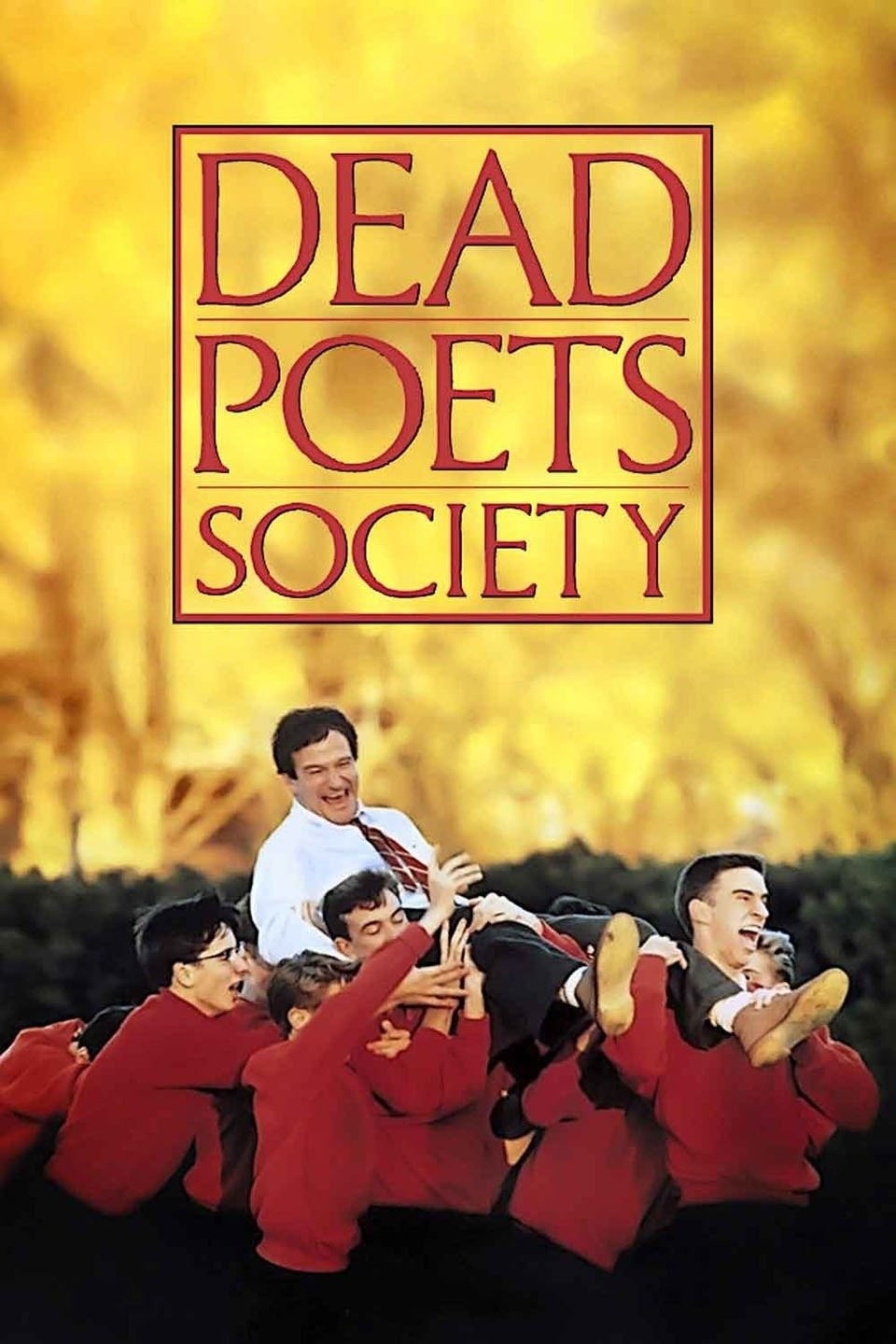
Through Mr. Keating’s lessons, poetry stops being something to memorize and becomes something to feel. Standing on desks, ripping textbook pages, reading verses with passion, all these moments feel small but meaningful, like sparks of freedom in a place built to suppress it. The boys begin to rediscover themselves: their fears, dreams, and the parts of them that had been quietly silenced. The Dead Poets Society they recreate in secret becomes more than a club, it becomes a space to breathe, to question, and to exist beyond the school’s rigid structure, the film captures that transformation beautifully.
Neil Perry becomes the heart of this story. His love for acting isn’t just a hobby, but a declaration of who he wants to be, but his father’s control turns that freedom into guilt, and the weight of disappointment becomes unbearable. His story builds to the film’s emotional climax, where idealism and reality collide in the most painful way. His death isn’t treated as a dramatic twist, but as the inevitable cost of a world that doesn’t know how to listen. It’s a moment that breaks both the story and the viewer, leaving behind a silence that feels heavier than before. Yet out of that silence, something begins to change. Todd Anderson, once shy and invisible, finds his voice. His final act of standing on the desk isn’t just for Mr. Keating, it’s for himself. It’s the moment he realizes that courage doesn’t always roar; sometimes it simply stands tall.
What makes Dead Poets Society unforgettable is how all these pieces: the atmosphere, the characters, the story, blend into something realistic. The muted tones of Welton’s setting, the stillness of its classrooms, and the slow unraveling of the boys’ innocence all work together to show how fragile freedom can be. The film doesn’t offer easy answers. It doesn’t promise that passion will always win. It only asks that we try, to think, to feel, to live before it’s too late. In the end, Dead Poets Society isn’t about rebellion or tragedy. It’s about the quiet revolution that happens when one person dares to awaken another. It reminds us that the world may prefer silence, but the human spirit will always search for its own voice. And maybe that’s why, long after the credits roll, you still hear the echo of a classroom and the words that changed everything: O Captain, my Captain.


.jpg)
0 comments:
Post a Comment